July 15, 2026
Excavation projects are essential for many types of construction, from preparing foundations and installing utilities to grading land and improving drainage systems. However, working below ground comes with unique hazards that require careful planning, proper equipment, and trained professionals. An experienced excavating contractor plays an important role in creating a safe work environment by following established procedures, assessing potential risks, and using modern tools to reduce the likelihood of accidents.
Safety during excavation is not only about protecting workers on the job site. It also involves preventing damage to nearby structures, underground utilities, and surrounding property. From the initial site evaluation to the final stages of digging and cleanup, professionals follow detailed safety measures designed to keep projects on track while minimizing hazards.
Understanding the responsibilities and practices of an excavating contractor can help property owners and project managers recognize the importance of working with qualified professionals for excavation needs.
What Are The Responsibilities Of An Excavating Contractor In Ensuring Site Safety?
An excavating contractor is responsible for managing many aspects of excavation safety before, during, and after a project begins. This includes evaluating the job site, identifying possible hazards, selecting appropriate equipment, and making sure workers follow established safety procedures.
One of the primary responsibilities is protecting workers from common excavation risks, such as cave-ins, falls, equipment accidents, and exposure to underground utilities. Before any digging begins, contractors review site conditions and determine what precautions are necessary based on factors such as soil composition, excavation depth, weather conditions, and nearby structures.
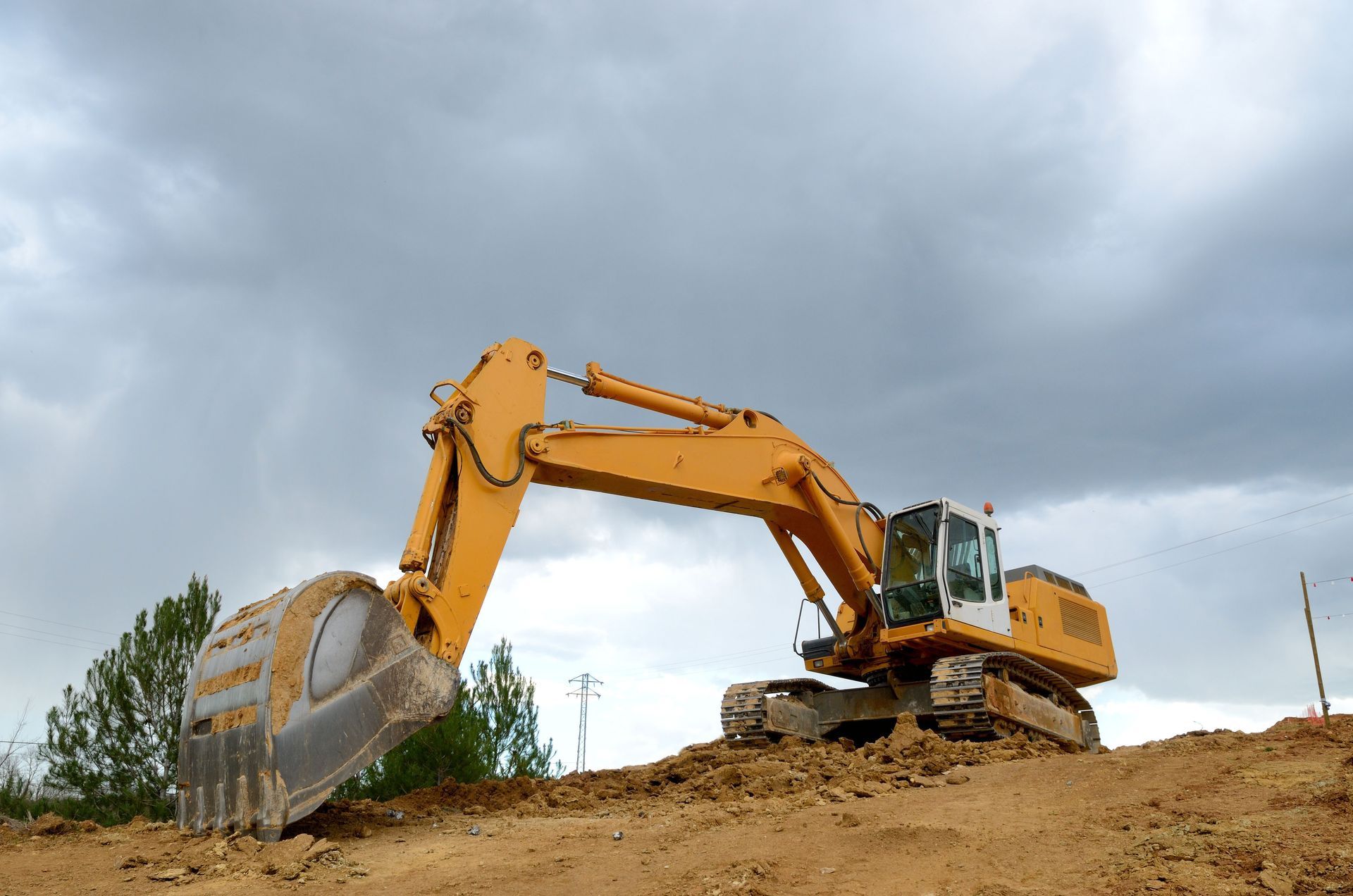
Contractors are also responsible for maintaining equipment and ensuring machinery is operated correctly. Excavators, loaders, trenchers, and other heavy equipment require regular inspections to prevent mechanical failures that could create dangerous conditions.
Communication is another important part of excavation safety. Professionals coordinate with workers, property owners, and other contractors involved in the project to make sure everyone understands the work plan and potential hazards. Clear communication helps prevent misunderstandings and allows teams to respond quickly if conditions change.
How Do Excavating Contractors Prepare A Site For Excavation Work?
Proper site preparation is one of the most important steps in maintaining safety during excavation. Before breaking ground, an excavating contractor typically conducts a detailed assessment of the property and the surrounding area.
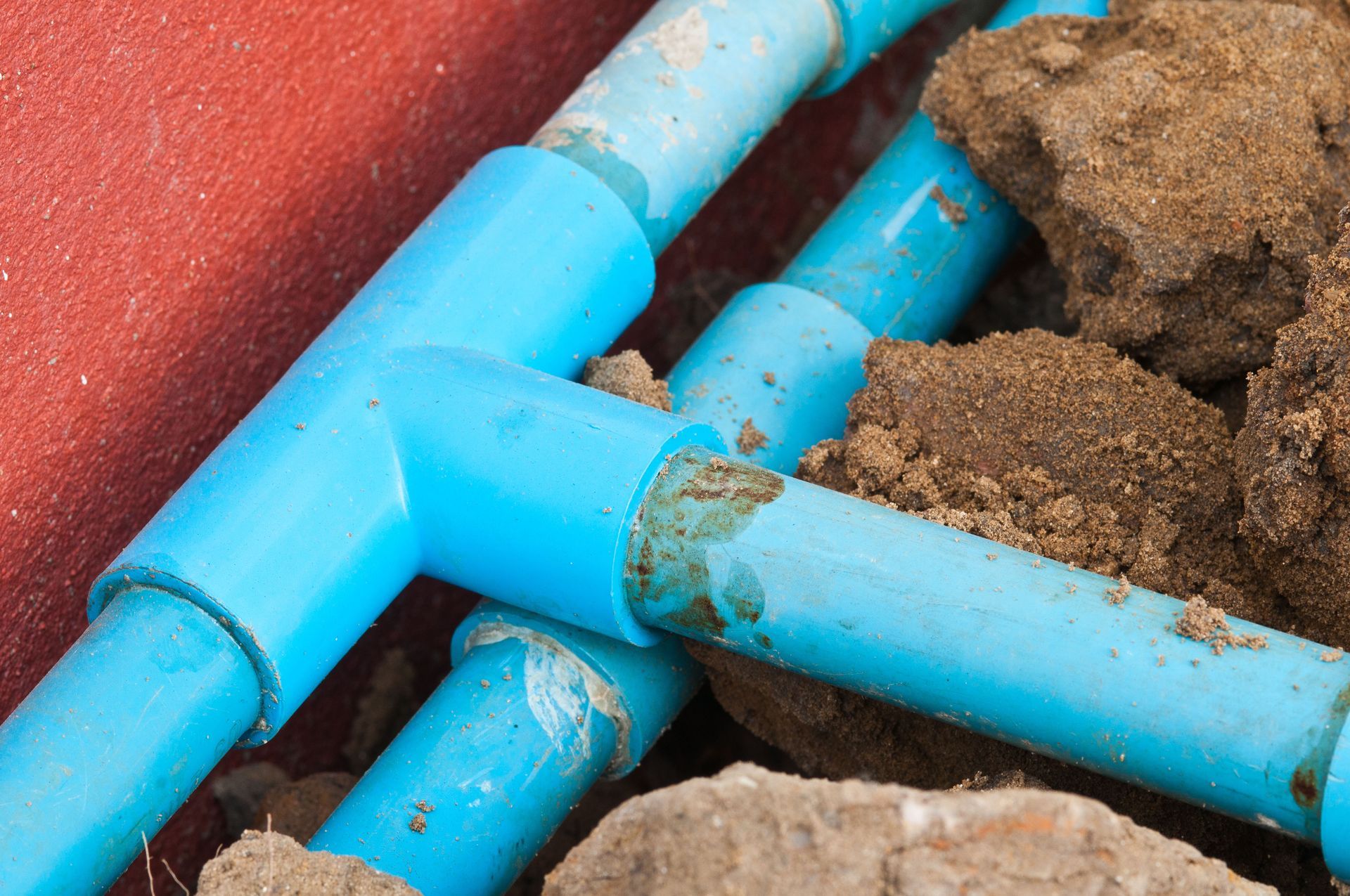
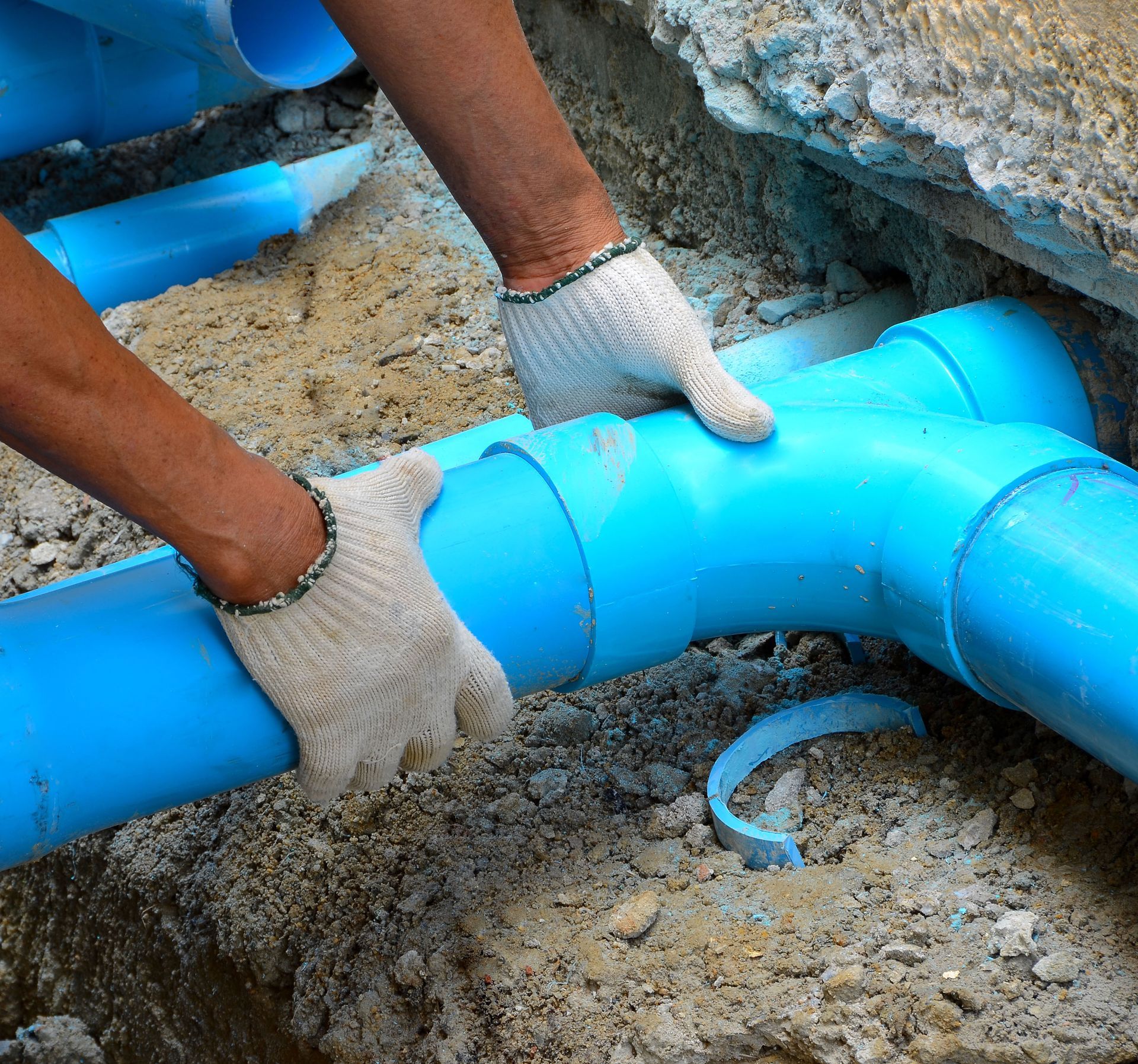
The preparation process often begins with identifying underground utilities, including gas lines, electrical cables, water pipes, and communication lines. Striking an underground utility can create serious safety hazards, cause service interruptions, and lead to costly repairs. Contractors use utility locating services and other methods to determine where existing infrastructure is located before excavation begins.
Professionals also evaluate soil conditions to determine how stable the ground will be during digging. Different soil types respond differently to excavation, and unstable soil can increase the risk of collapses. Understanding these conditions helps contractors determine whether additional protective measures, such as sloping, benching, or support systems, are necessary.
The work area is also prepared by establishing clear boundaries, removing obstacles, and creating safe access points for workers and equipment. Proper planning helps keep unauthorized individuals away from hazardous areas while allowing crews to complete tasks efficiently.
What Safety Protocols Do Professionals Follow To Prevent Accidents During Excavation?
Excavation professionals follow a variety of safety protocols designed to reduce workplace risks. These procedures are based on industry standards and regulations that address common hazards associated with digging and earthmoving operations.
One of the most important safety considerations involves preventing trench collapses. According to OSHA, trenches that are five feet deep or greater require a protective system unless the excavation is made entirely in stable rock. These protective systems may include sloping the trench walls, creating stepped levels through benching, or installing support structures designed to prevent soil movement.
Workers are also trained to maintain safe distances from heavy machinery and avoid standing near unsupported excavation edges. Equipment operators and ground crews must communicate clearly to prevent accidents caused by limited visibility or unexpected equipment movement.
Personal protective equipment is another key component of excavation safety. Depending on the project, workers may need hard hats, high-visibility clothing, protective footwear, gloves, and other gear. Contractors also monitor environmental conditions, including rain and changing soil moisture, which can affect excavation stability.
Emergency planning is also part of professional excavation safety. Crews should know how to respond to incidents such as equipment failures, utility strikes, or unexpected ground movement. Having established procedures allows workers to act quickly if an unsafe situation develops.
How Is Risk Assessment Performed By Excavating Contractors?
Risk assessment is an ongoing process that helps identify and address potential dangers throughout an excavation project. Rather than evaluating safety only before work begins, an excavating contractor continually monitors conditions and adjusts procedures when necessary.
The first step in risk assessment is identifying possible hazards associated with the specific project. This may include unstable soil, nearby structures, underground utilities, traffic patterns, weather conditions, and the presence of workers operating in confined areas.
After identifying risks, contractors determine how likely each hazard is to occur and what impact it could have. This allows them to prioritize safety measures and focus resources on the areas that require the most attention.
Site inspections are often performed throughout the project to identify changes in conditions. For example, heavy rainfall may weaken soil stability, while nearby construction activity may affect ground conditions. Regular evaluations allow professionals to make adjustments before problems arise.
Training and worker feedback also contribute to effective risk assessment. Employees who are actively involved in daily operations may notice hazards that are not immediately obvious during initial planning. Encouraging communication between crews and supervisors creates a safer working environment.
What Technologies Are Used By Excavating Contractors To Enhance Safety?
Modern technology has improved the way excavation projects are planned, managed, and completed. Many contractors now use advanced tools to increase accuracy and reduce risks during underground work.
GPS-guided equipment is one example of technology that improves excavation safety. These systems help operators dig with greater precision, reducing the chances of unnecessary excavation or accidental damage to nearby infrastructure.
Three-dimensional modeling and digital site plans are also becoming more common. These tools allow contractors to visualize excavation areas before work begins, identify potential conflicts, and create more detailed project plans.
Drones are another technology used by some excavation professionals to monitor job sites. Aerial inspections can provide valuable information about terrain, progress, and potential hazards without requiring workers to enter risky areas.
Equipment monitoring systems also help improve safety by tracking machine performance and identifying maintenance issues before they lead to failures. These technologies allow contractors to maintain better control over operations while improving overall project efficiency.
As technology continues to advance, excavation companies are finding new ways to combine traditional safety practices with digital tools. These improvements help professionals complete projects more accurately while reducing risks for workers and the surrounding areas.
Safety is a critical part of every excavation project, and an experienced
excavating contractor plays a central role in maintaining secure job sites. Through careful planning, site preparation, risk assessments, safety protocols, and modern technology, professionals help protect workers while ensuring projects are completed successfully.
From identifying underground utilities to implementing protective systems for trenches, every step of the excavation process requires attention to detail and proper training. As new technologies continue to improve the industry, contractors are gaining additional tools to enhance safety and efficiency.
By prioritizing safety from the beginning of a project, excavation professionals help create reliable results while reducing the risks associated with underground construction work. If you're looking for reliable excavating services, reach out to the team at R & R Excavating today!