August 7, 2026
Dealing with plumbing issues is something most homeowners hope to avoid, but understanding the infrastructure of your property is a crucial part of homeownership. When the hidden network of pipes functioning beneath your yard begins to fail, it can create a stressful situation that demands immediate attention. It is not uncommon to feel overwhelmed when faced with the prospect of major plumbing work, especially when the terminology seems unfamiliar. However, being proactive and asking the right questions can make a world of difference in how smoothly the project goes. Navigating the complexities of sewer line repairs does not have to be a daunting task if you are armed with the correct information from the very beginning. By taking the time to educate yourself and communicate clearly with professionals, you can protect your property and ensure a successful outcome. Here are several important inquiries to make when you suspect there might be a problem with your underground plumbing system.
1. What Signs Indicate a Potential Problem?
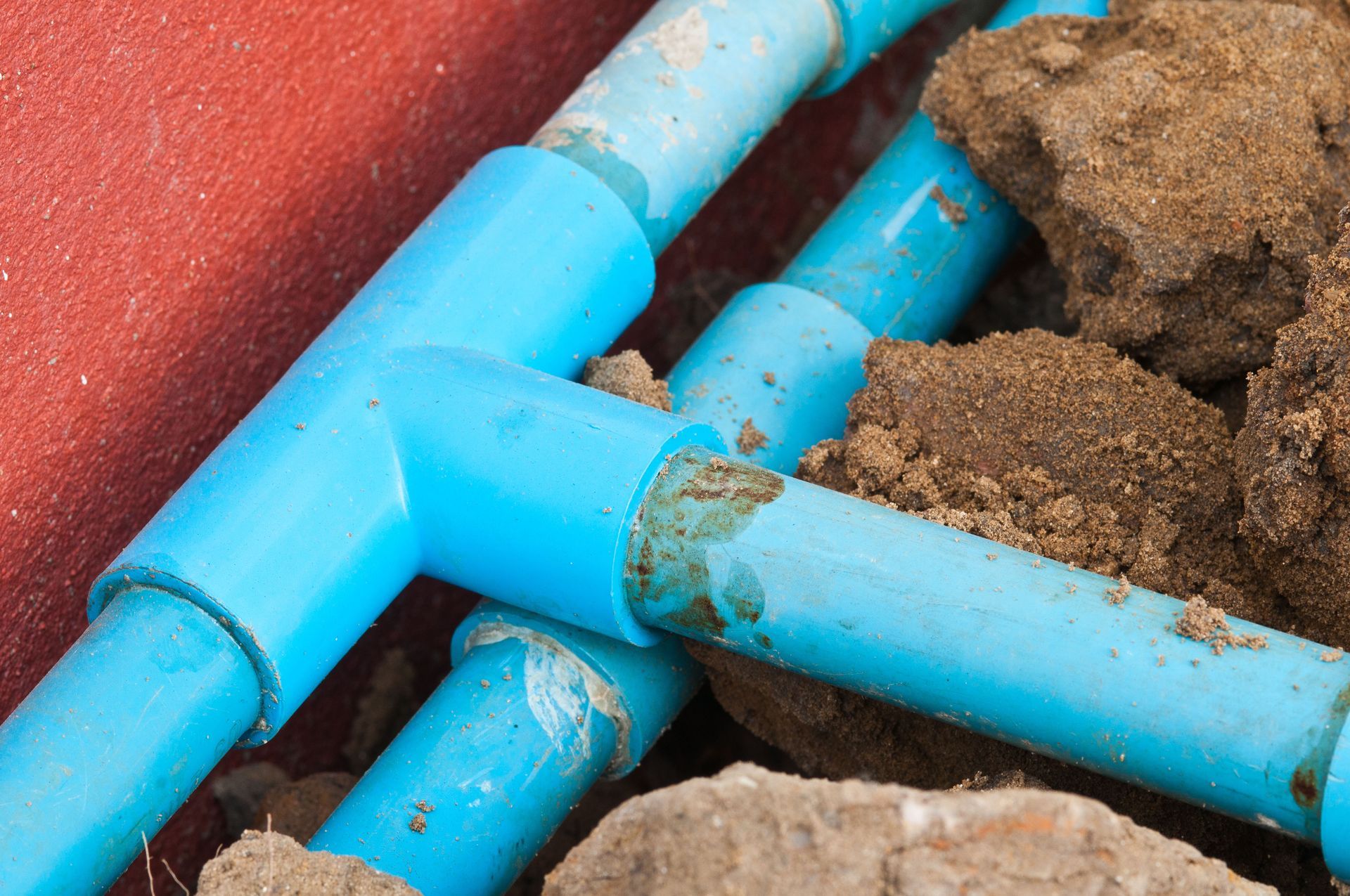
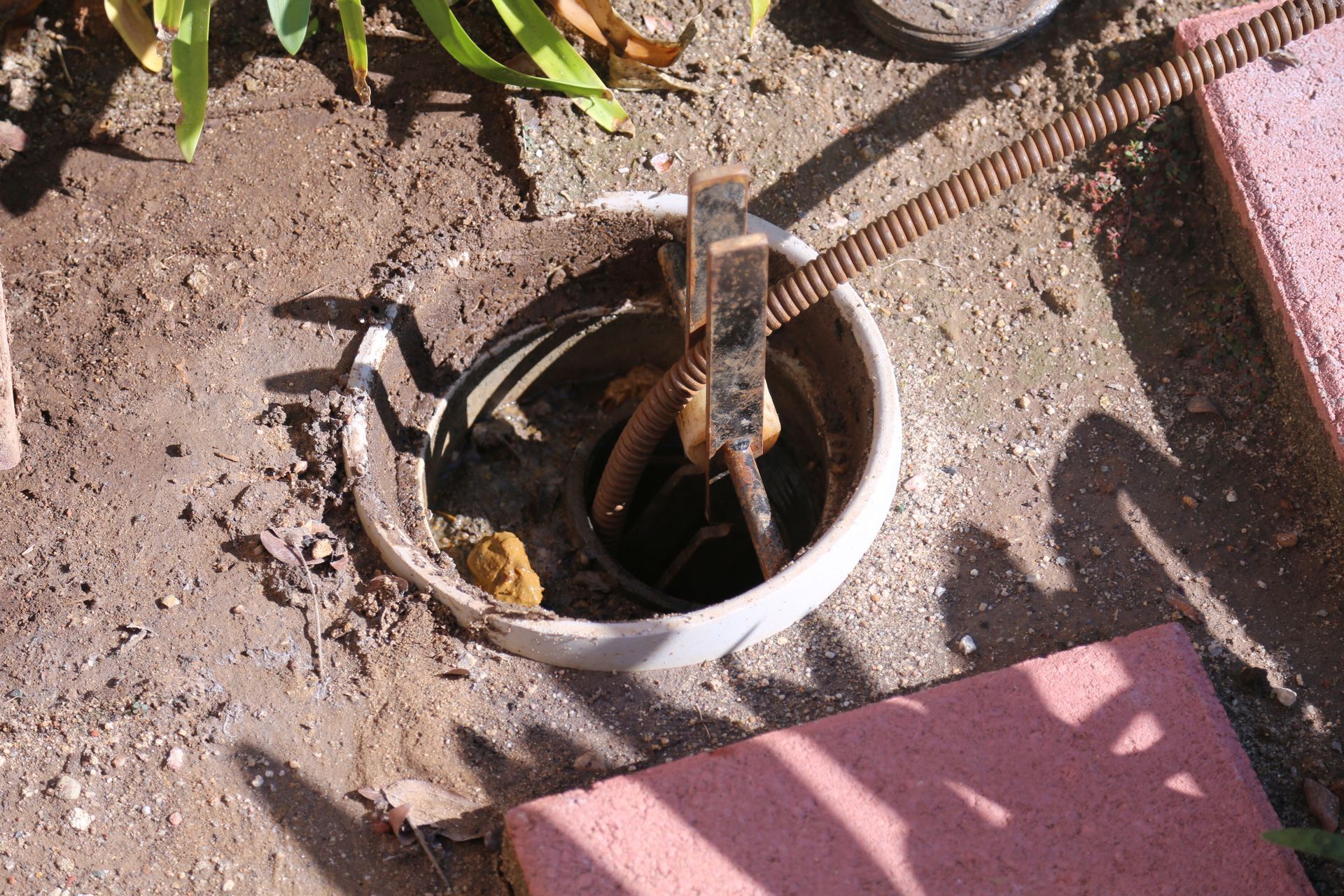
Recognizing the early warning signals of underground plumbing failure is the first step toward mitigating extensive property damage and avoiding complications. Homeowners should always remain vigilant for unusual occurrences, such as persistent foul odors emanating from drains or lingering in the yard, which often suggest a blockage or a break in the underground pipes. Another clear indicator is the presence of slow drains affecting multiple fixtures throughout the house simultaneously, rather than a single isolated sink or tub. If you notice unusually lush, green patches of grass in your yard while the rest of the lawn looks normal, this could be the result of a hidden leak acting as an unintended fertilizer for your landscaping. You might also encounter sudden pest infestations or notice unexplained puddles forming in your yard during dry weather. When you observe any of these alarming symptoms, investigating the necessity for sewer line repairs becomes an immediate priority. Catching these problems early allows for more manageable solutions and prevents the situation from escalating into a full-scale plumbing emergency that disrupts your daily life.
2. Which Repair Method Is Best for My Specific Situation?
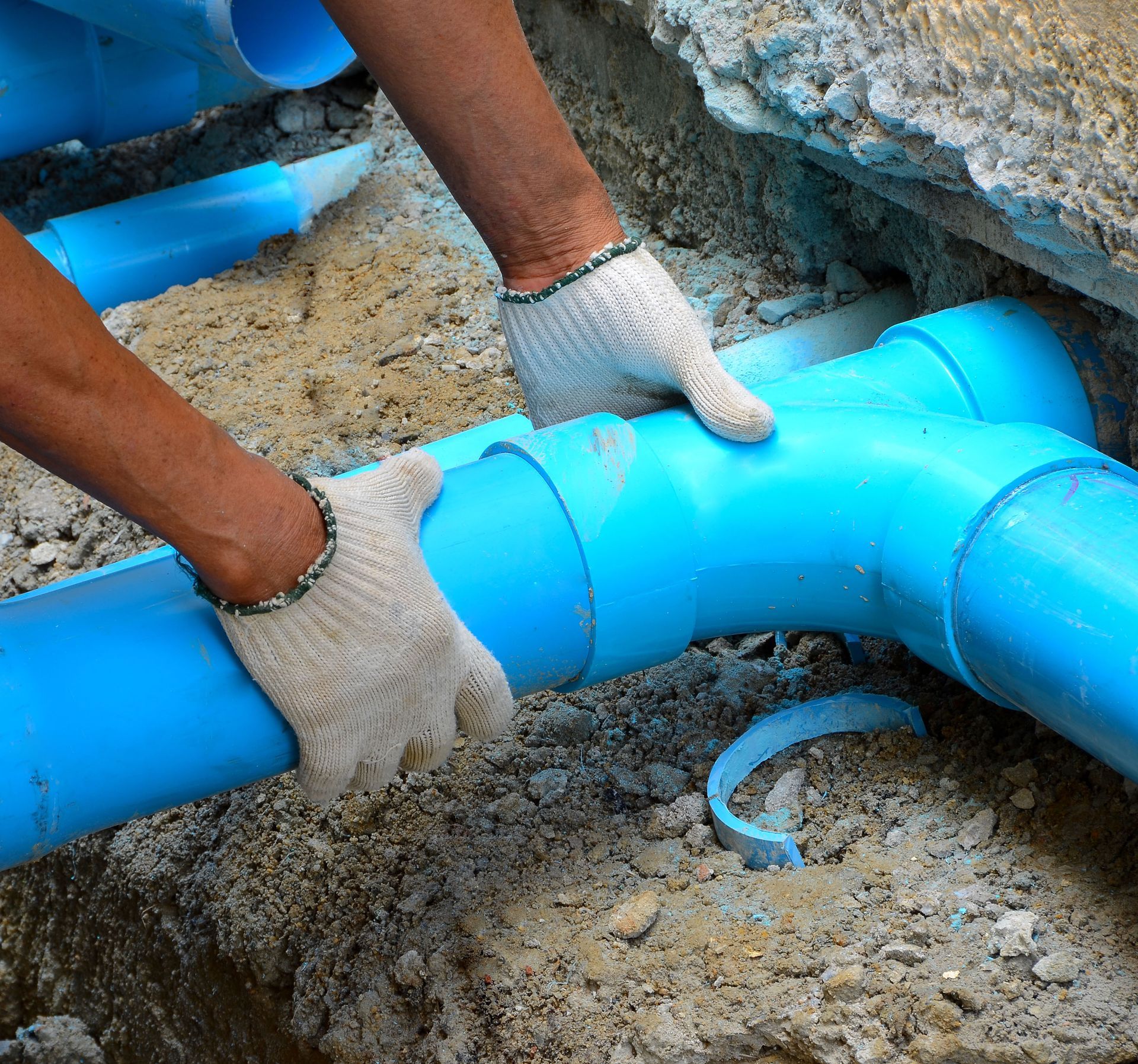
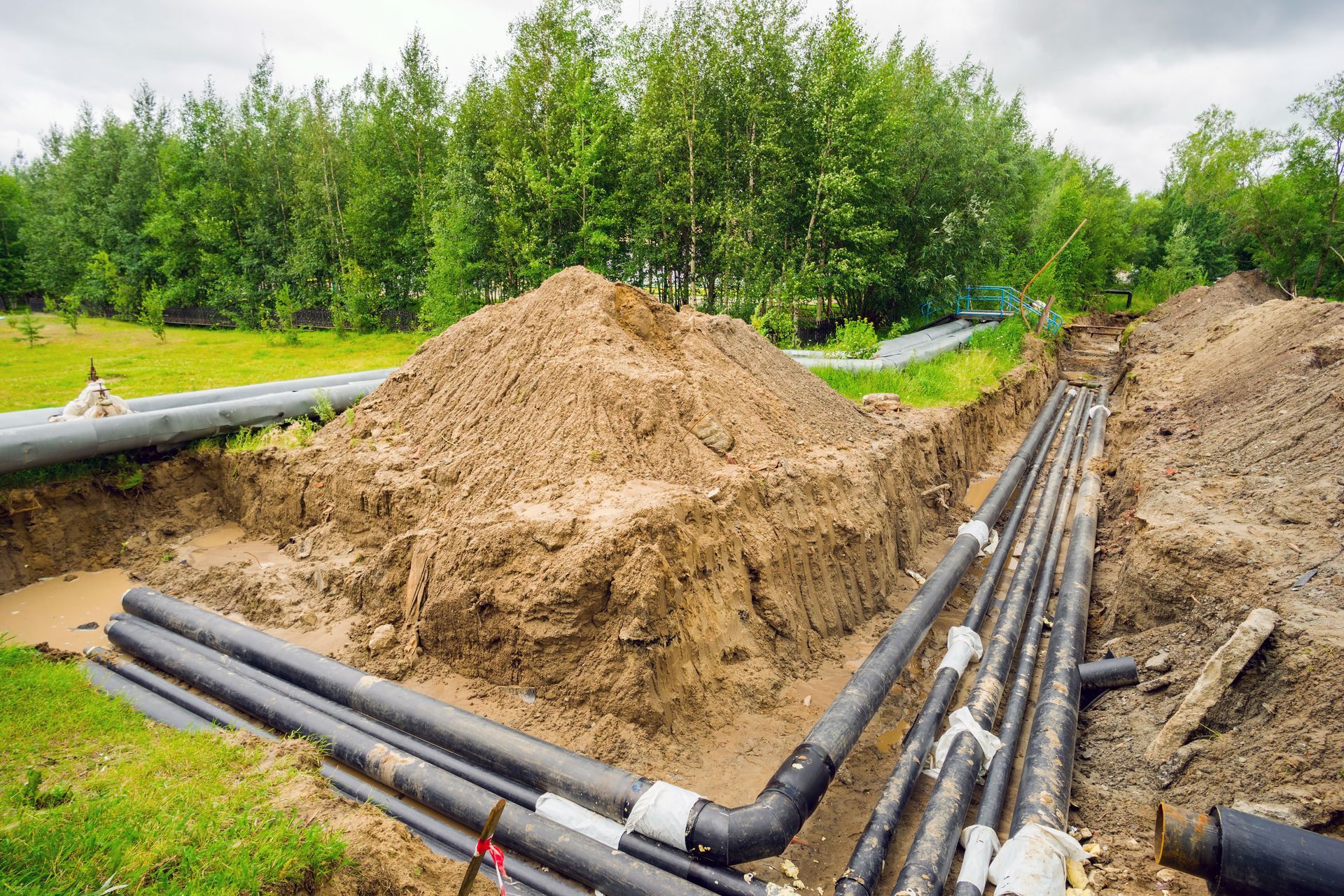
Once a problem has been officially diagnosed, understanding the available solutions is the next logical step in the restoration process. Historically, traditional excavation was the primary way to address damaged underground pipes, requiring heavy machinery to dig extensive trenches across yards, driveways, and landscaping to access the broken pipe. While this conventional method remains necessary for severe collapses or major structural failures, modern technology has introduced less invasive alternatives that many homeowners prefer. Trenchless techniques, such as pipe bursting or epoxy lining, offer a way to rehabilitate the existing pipe with minimal digging, preserving the aesthetic appeal of your property and reducing the time needed for landscape restoration. These advanced methods often require only small access points rather than long, destructive trenches. When discussing sewer line repairs with a professional, it is vital to ask them to explain the pros and cons of each approach in relation to your specific property layout and the condition of the pipes. The most suitable method will depend entirely on the severity of the damage, the location of the pipe, and your overall goals for the project. Taking the time to explore all available avenues ensures success.
3. What Should I Expect During the Entire Process?
A lack of clarity regarding the project timeline and daily expectations can lead to unnecessary anxiety and frustration for homeowners. Before any digging or equipment operation begins, you must have a clear understanding of what the daily schedule will look like and how it will impact your household. Ask the professionals to provide a detailed overview of the preparatory steps, the actual execution phase, and the final cleanup procedures. You need to know if your water service will be temporarily shut off, and if so, for how long, so you can make appropriate accommodations for your family. Furthermore, inquire about the heavy machinery that might be parked on your street or driveway, as well as any safety perimeters that will be established around the work zone. Gaining insight into the logistical aspects of sewer line repairs helps you set realistic expectations and prepare your family for any temporary inconveniences. A reputable team will prioritize clear communication, keeping you updated on the progress and any unforeseen challenges that might arise once the work commences. Knowing exactly what to anticipate transforms a stressful event into a manageable project.
4. How Do I Evaluate Potential Contractors for the Job?
Selecting the right professionals to handle complex plumbing work is arguably the most critical decision you will make during this entire experience. Not all contractors possess the specialized equipment or the specific expertise required to execute underground piping projects flawlessly. You should ask potential candidates about their licensing, their insurance coverage, and their overall experience with similar residential projects in your area. Requesting references from past clients can provide valuable insight into their reliability, their communication style, and the overall quality of their workmanship. It is also wise to inquire about the warranties or guarantees they offer on their labor and the materials they use, as this demonstrates their confidence in the services they provide. When you are planning for sewer line repairs, securing multiple detailed estimates is a smart strategy to ensure transparency and avoid hidden fees later on. These estimates should break down the costs associated with labor, materials, and any necessary municipal permits required to complete the job legally. Taking the time to thoroughly vet the professionals you invite onto your property gives you peace of mind, knowing your home is in trustworthy hands.
5. What Steps Can Prevent Future Plumbing Issues?
After resolving an immediate crisis, your focus should naturally shift toward proactive maintenance and long-term prevention strategies. Ask your chosen professional for specific advice on how to protect your newly restored system from future blockages, tree root intrusions, or structural degradation. Simple daily habits, such as being mindful of what gets flushed down the toilet or washed down the kitchen sink, play a massive role in maintaining the integrity of underground pipes. Avoiding the disposal of cooking grease, fibrous food scraps, and non-biodegradable items will significantly reduce the risk of clogs developing over time. Additionally, consider the landscaping choices you make around your property, as planting large trees with aggressive root systems near your plumbing infrastructure can lead to devastating consequences as the roots seek out moisture. Investing in routine maintenance is the ultimate key to longevity. According to Utility Contractor Magazine, you should have your sewer line inspected once a year. By prioritizing preventative care and staying educated about your property, you can drastically reduce the likelihood of ever needing extensive sewer line repairs again in the future.
Maintaining the hidden infrastructure of your property requires diligence, awareness, and a willingness to ask important questions when things seem amiss. By educating yourself on the warning signs, the available methodologies, the expected workflows, and the criteria for hiring qualified professionals, you position yourself to handle any plumbing challenge with confidence and ease. Taking a proactive stance on maintenance ensures the safety, cleanliness, and comfort of your living environment for years to come. When the time comes to address these critical household systems, relying on an experienced team makes all the difference in achieving a flawless result. If you are experiencing concerning symptoms and suspect you might need professional
sewer line repairs, do not hesitate to reach out for expert guidance. Call R & R Excavating today to learn more.