October 15, 2026
Every home relies on a steady system of underground pipes to carry wastewater away from bathrooms and kitchens. Your main sewer pipe plays a central role in keeping your living space clean and comfortable every single day. Wastewater flows from household drains into the main pipeline, then into municipal sewer networks or septic tanks. Because these critical pipes sit deep beneath your lawn, problems can easily go unnoticed until significant trouble occurs.
Maintaining your underground plumbing means paying attention to how your drains perform during everyday routines. Over time, soil movement and heavy usage place continuous pressure on buried pipes. Recognizing how your waste lines operate helps you protect your property and avoid an unexpected sewer line repair.
Identifying Common Pipe Materials
Underground sewer systems feature various piping materials depending on when your house was built. Older homes often rely on clay, cast iron, or concrete pipes buried beneath the lawn. While heavy clay and iron materials withstand soil pressure, they gradually weaken after decades underground. Cast iron pipes can corrode from moisture exposure, while clay lines tend to crack under shifting earth.
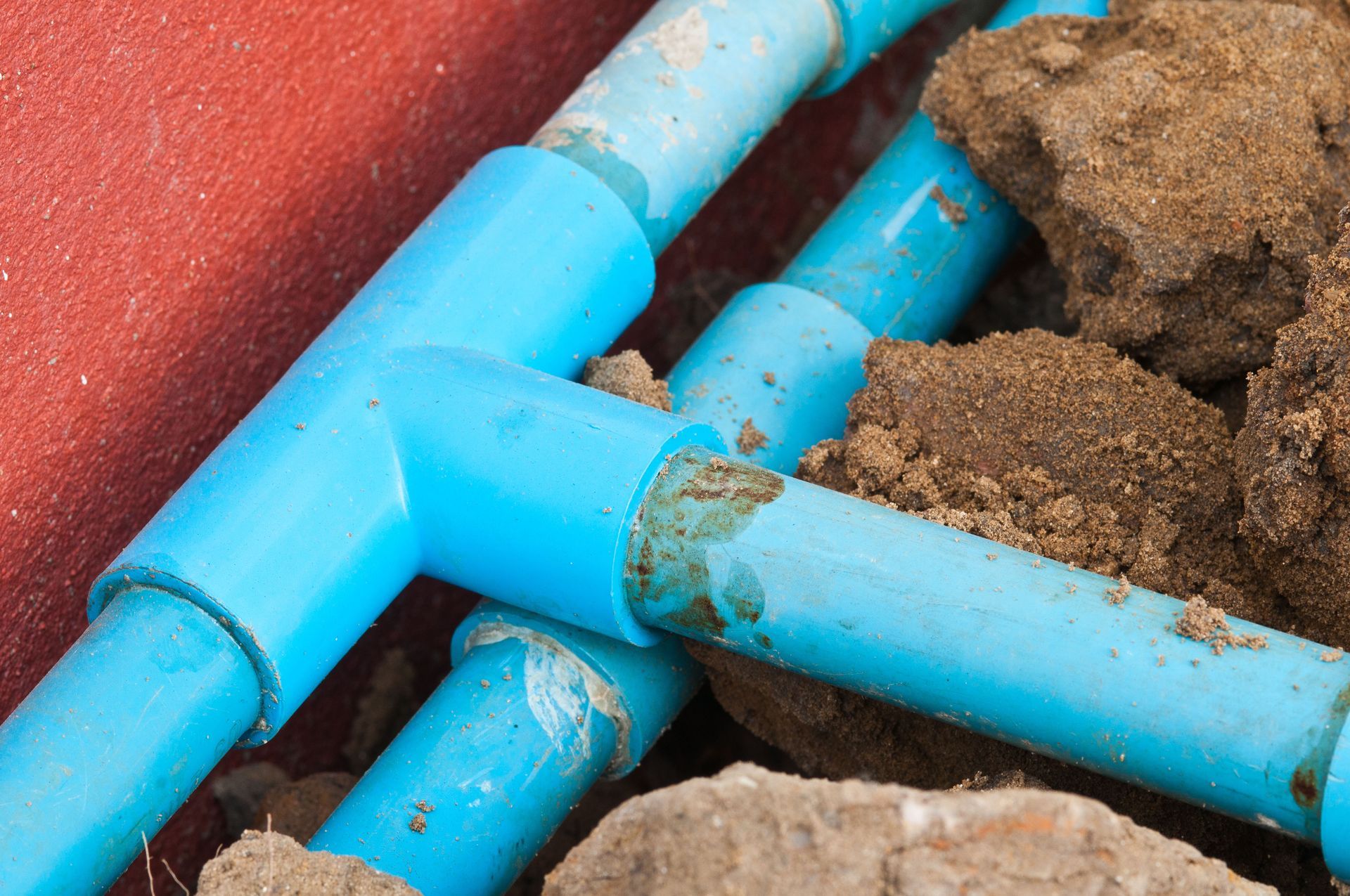
Plastics like PVC have become common choices for underground installations due to their smooth surfaces and durability. PVC resists rust and handles soil pressure better than traditional metal piping. Knowing what material lies beneath your lawn helps you understand potential risks and plan future maintenance.
Transporting Wastewater Away Safely
The main sewer pipe acts as the primary pathway for all household liquid waste. Every plumbing fixture in your home connects to branch lines that feed directly into this main pipe. Smooth flow through this pipeline keeps foul odors away and prevents raw sewage from backing up into your home.
When waste moves freely, your entire household plumbing system operates efficiently without unnecessary strain on fixture seals. Keeping wastewater moving smoothly protects indoor air quality and maintains healthy living spaces for your family.
Spotting Early Warning Signs
Noticing sewer problems early saves homeowners from dealing with messy cleanups inside living spaces. Subtle indicators often appear days or weeks before a main pipe stops working entirely. Paying attention to small changes in your plumbing routine allows you to take action before minor clogs turn into complete system failures.
Noticing Slow Drains and Foul Smells
Plumbing fixtures that drain sluggishly across different rooms often point to a main line issue. When multiple fixtures struggle to drain simultaneously, the main pipe likely suffers from a major restriction. Gurgling noises coming from toilet bowls when you run the bathroom sink also indicate trapped air in clogged waste lines.
Unpleasant sewer odors lingering around indoor drains or outdoor foundation walls signal potential pipe leaks or blockages. Wastewater gas should always travel out through roof vents rather than escaping into your living areas. Smelling sewage around your yard or basement means your underground line needs immediate professional attention.
Observing Wet Spots in Your Lawn
Unusual soggy patches in your yard during dry weather frequently point to buried pipe leaks. Wastewater escaping underground saturates nearby soil, creating soft mud patches or standing water on your lawn. You might also notice patches of grass growing faster or appearing much greener than surrounding areas.
Sunken lawn areas or indentations near your foundation can also happen when leaking wastewater washes away underground soil. As escaping water softens the dirt, the ground above sags inward. Addressing these ground changes promptly protects your lawn and prevents foundation settling.
Maintaining Your Sewer Pipeline
Preventative care keeps your waste lines flowing clearly while reducing stress on buried joints and fittings. Simple habits inside your home go a long way toward extending the life of underground plumbing systems.
Cleaning Pipes on a Regular Schedule
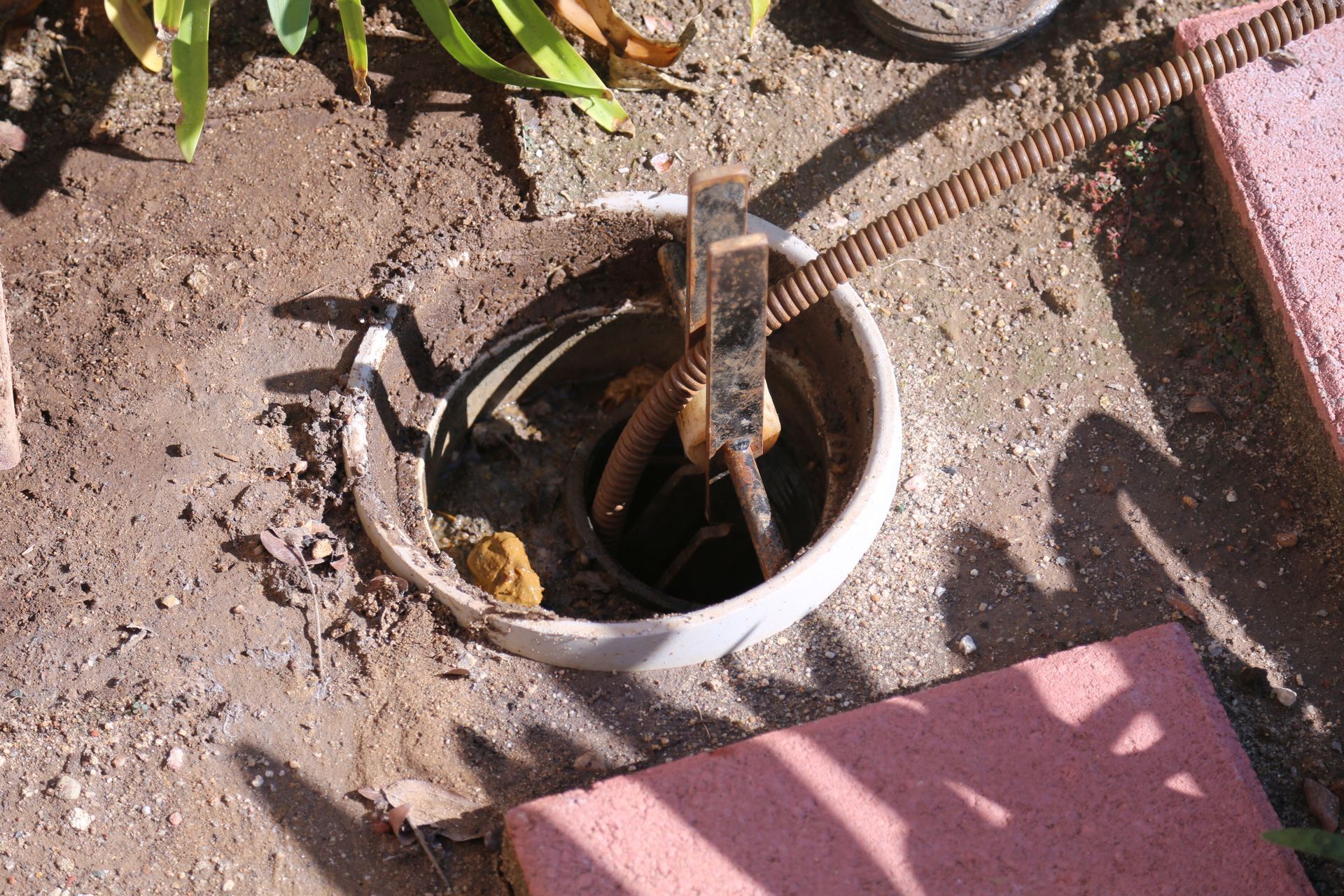
Routine line clearing removes accumulated debris before stubborn blockages form inside underground pipes. According to Home Advisor, homeowners ought to clean out their main sewer pipes every 18 to22 months, because scheduling regular cleanings keeps wastewater flowing smoothly while preventing heavy buildup along pipe walls.
Professional technicians remove organic buildup and debris that collect along interior pipe surfaces over time. Regular maintenance also gives technicians a chance to inspect pipe conditions and identify minor cracks early.
Preventing Unwanted Debris and Clogs
Protecting your sewer line starts with being careful about what goes down household drains. Cooking grease and non-flushable paper products should never enter your plumbing system. Grease cools inside cold underground pipes, creating sticky barriers that catch passing waste.
Installing drain strainers in sinks and showers catches hair and food scraps before they enter branch lines. Teaching family members proper disposal habits keeps your main sewer line free from unnecessary blockages.
Handling Major Sewer Line Issues
Even well-maintained sewer lines can suffer damage from environmental factors or structural aging. Severe pipe issues require excavation equipment and experienced technicians to resolve completely.
Clearing Invasive Tree Roots
Tree roots naturally grow toward moisture sources, making underground sewer lines prime targets. Tiny root fibers enter small pipe seams or hairline cracks in search of water. Once inside, roots expand rapidly, catching toilet paper and solids until wastewater stops moving.
As roots grow thicker, they exert pressure on surrounding pipe walls, causing pipes to break open underground. Clearing roots requires specific cutting tools or excavating damaged sections to replace crushed piping.
Fixing Cracked and Corroded Pipes
Ground shifts and heavy vehicle traffic above buried pipelines can cause structural pipe cracks. Older cast iron lines corrode from interior moisture, leaving rough surfaces that snag debris. Cracks allow soil to enter the pipeline while letting sewage leak into surrounding ground.
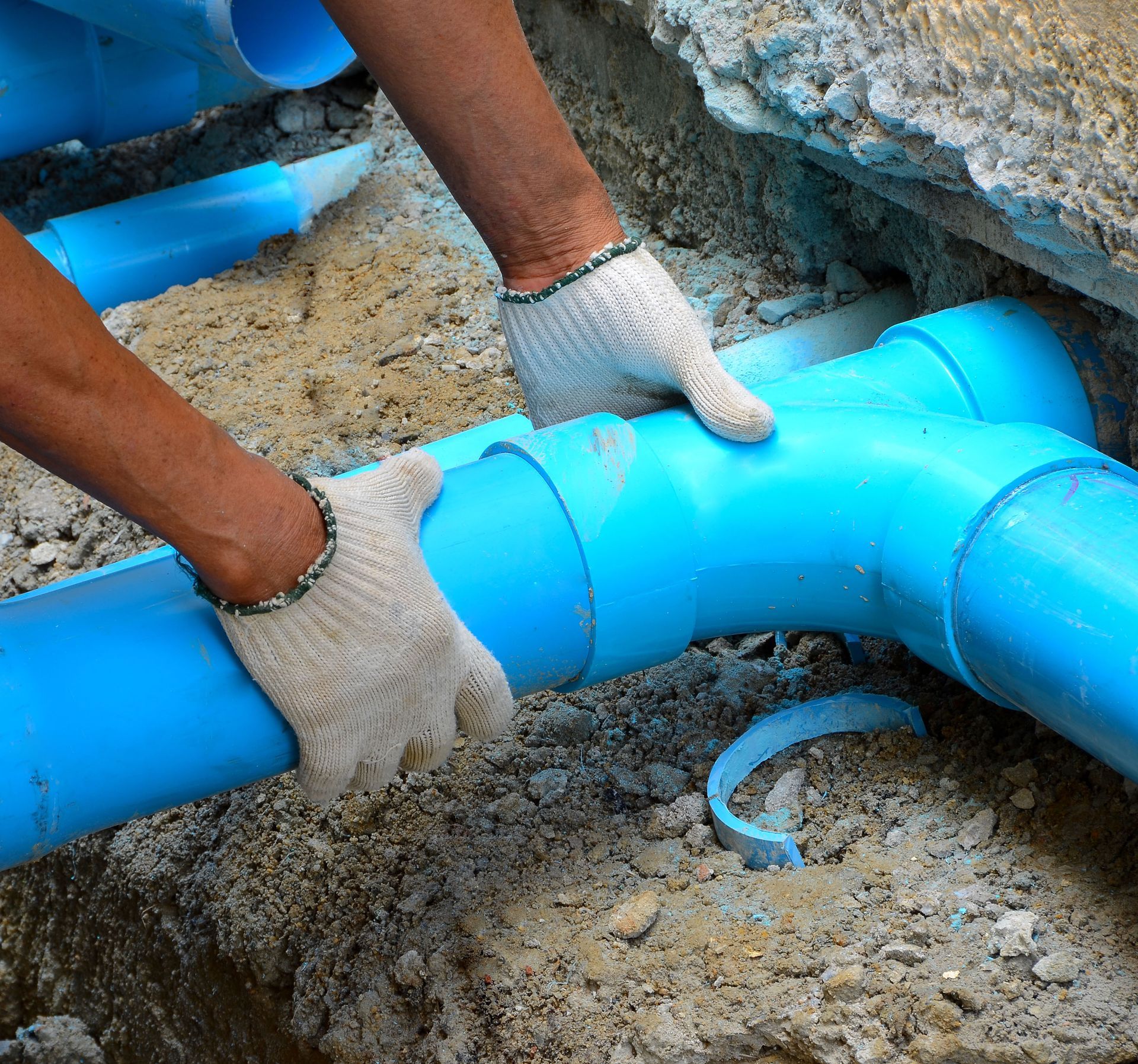
When structural pipe failure occurs, digging down to the damaged section provides a lasting solution. Replacing broken pipe sections restores proper pitch and ensures wastewater flows away smoothly.
Executing Professional Sewer Line Repair
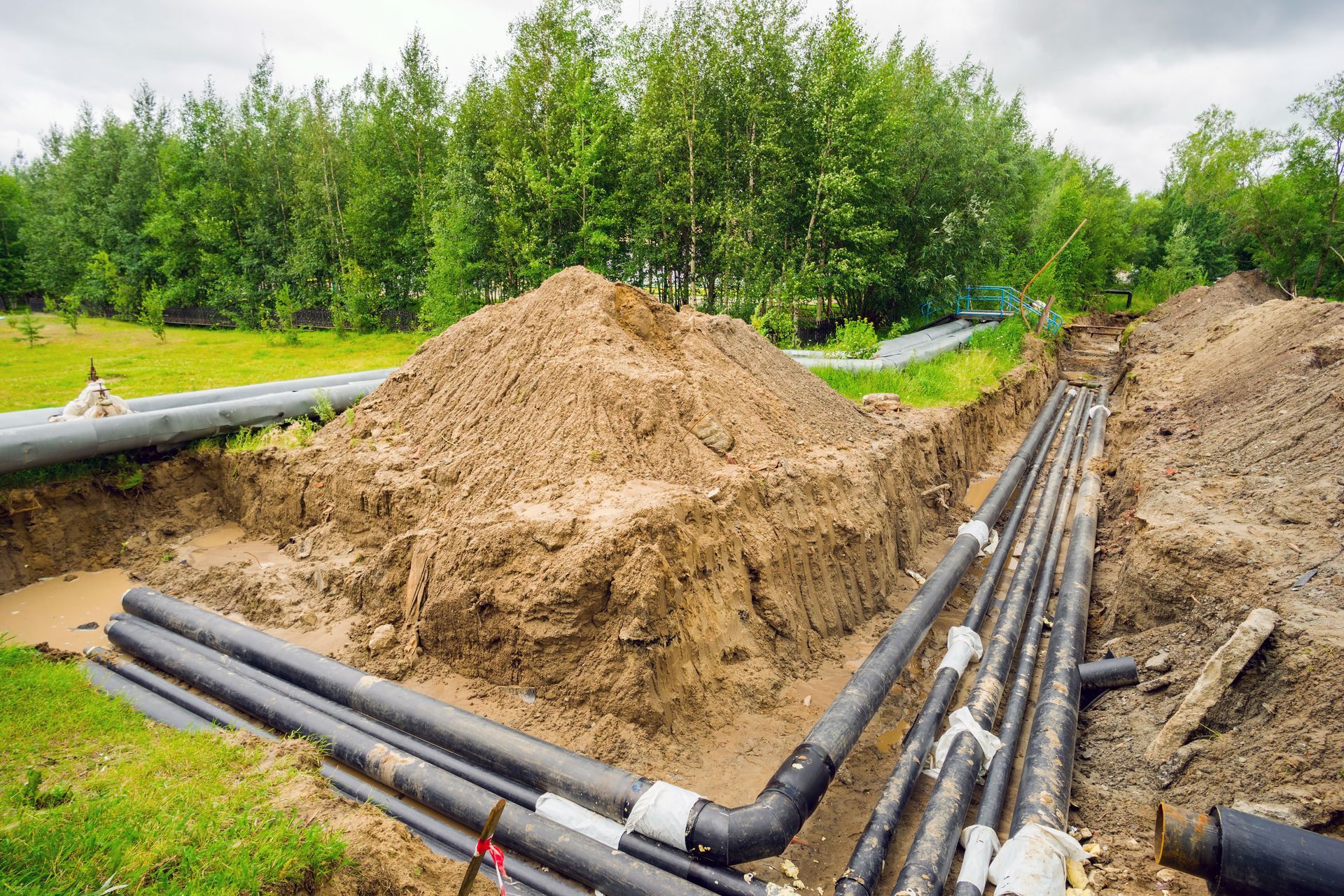
Major pipe damage often requires heavy machinery to expose buried lines safely. Performing a proper sewer line repair requires careful digging alongside the replacement of damaged pipe sections. Professional crews evaluate soil conditions and pipe depth to carry out safe digging procedures.
Choosing experienced excavation contractors for your sewer line repair project ensures clean trenching and accurate pipe alignment. Proper installation prevents future line sagging and protects your lawn from repeated digging. When sudden leaks occur, scheduling a prompt sewer line repair stops wastewater contamination immediately.
Relying on Experienced Excavation Services
Handling underground utility projects requires heavy equipment and trained operators who understand soil conditions. Digging near buried utility lines demands careful planning to avoid damaging electrical cables or gas mains. Professional excavators manage heavy earthmoving tasks safely while minimizing disruption to surrounding property.
Working with an established excavation contractor ensures your site work finishes according to local building codes. Experienced operators dig precise trenches while handling soil grading and backfilling with extreme care. Proper soil compaction after digging stops future lawn settling and protects new underground pipes.
When facing serious plumbing issues beneath your lawn, working with a dependable contractor makes all the difference. R & R Excavating provides reliable site work and pipe replacement services for local homeowners. Our team brings heavy equipment and practical field experience to every job site, so whether you need routine trenching or major sewer line repair, R & R Excavating handles your project with care. To schedule service or discuss your underground utility needs, contact us today.