September 16, 2026
Understanding when you need sewer line repair is crucial for maintaining a healthy and efficient plumbing system in your home. A malfunctioning sewer line can lead to severe consequences if not addressed promptly. Recognizing the common indicators of sewer line issues aids homeowners in taking preventive measures to ensure the integrity of their plumbing. By exploring the various signs indicating your main pipe requires attention, you can take timely action, prevent extensive property damage, and save substantial costs associated with major system overhauls.
1. Slow Draining Fixtures
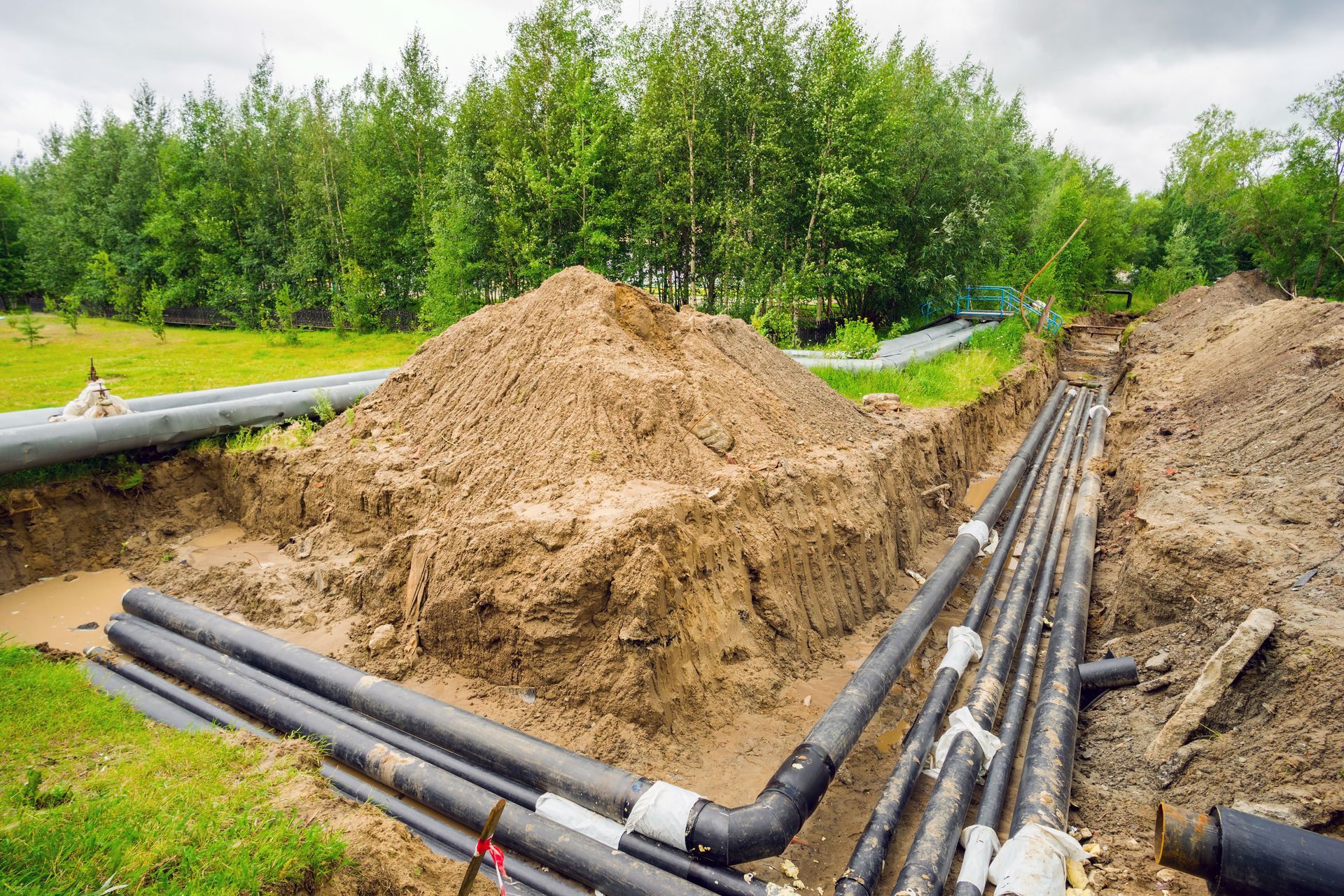
The most common cause of slow-draining fixtures is clogs that form over time due to waste and debris accumulation. Grease, hair, soap scum, and other materials restrict water flow, leading to sluggish drainage. In some cases, the issue is far more severe, originating from the main pipe itself rather than individual drainpipes. According to This Old House, sewer lines are typically located two to six feet below the ground, but colder climates require deeper pipes. This depth directly influences the severity of potential blockages, the risk of pipe collapse, and the overall complexity of executing an effective sewer pipe repair.
Determining whether a slow drain issue is isolated or systemic requires careful observation. If only one fixture drains slowly, the problem likely lies within that specific branch line. However, if multiple drains are sluggish simultaneously, it indicates a bottleneck in the main system. When every sink, tub, and toilet in the home drains at once, a major disruption is occurring underground. Addressing these early signs prevents severe pressure buildup that could otherwise rupture your lines.
Ignoring slow drains leads to exacerbated issues and severe structural risks. As waste accumulates, internal pressure builds, worsening the blockage and increasing the chance of pipe bursts. Stagnant water creates an ideal environment for dangerous bacteria and mold growth, posing health risks to your household. The financial implications of neglecting basic drain issues escalate quickly as extensive restoration becomes necessary. Engaging a professional early ensures long-term drainage performance and preserves your plumbing infrastructure.
2. Unpleasant Odors
Unpleasant smells emanating from your drains indicate the presence of hazardous sewer gas inside your living spaces. The distinct odor of rotten eggs or sulfur is a telltale sign of a compromised waste line. Sewer gases infiltrate homes through system defects like cracks, broken seals, or dry traps. These smells cause extreme discomfort and signal potential health hazards that require urgent professional evaluation.
Sewer odors arise from various sources, including dried-up water traps or blocked vent stacks. Water traps, or P-traps, hold a small amount of water to create a physical barrier against escaping gases. When infrequent usage causes these traps to dry out, sewer air moves freely into the room. Blockages in roof vent pipes also hinder proper airflow, forcing gases backward into the living quarters. Regular maintenance identifies these minor defects before they compromise your indoor air quality.
Exposure to sewer gas poses health risks due to harmful compounds like methane, ammonia, and hydrogen sulfide. Hydrogen sulfide causes eye and respiratory irritation, while high concentrations can lead to severe illness or unconsciousness. Methane poses a physical danger due to its high flammability, increasing the risk of home fires or explosions. Eliminating gas leaks promptly is essential for maintaining a safe, non-toxic living space.
Temporary measures can mitigate odors while you await professional help. Pouring water down seldom-used drains replenishes dried P-traps and temporarily blocks incoming air. Clearing visible debris from roof vents restores baseline ventilation, and using natural absorbents helps control surface smells. However, these steps only mask the symptoms without fixing the structural breach beneath your floor.
3. Frequent Clogs
Clogs develop gradually as everyday substances accumulate inside your pipes. Food scraps, cooking grease, hair, and non-flushable paper products adhere to pipe walls, gradually reducing the internal diameter. Over time, these materials harden into dense obstructions that resist standard plunging. Without periodic cleaning, daily usage accelerates this buildup, making recurring backups an inevitability.
Surface blockages occur close to drain openings and are easily cleared using manual plungers or simple hand augers. In contrast, deep blockages form far down the main branch, often within the buried lines outside your foundation. Surface tools cannot reach these deep obstructions. Differentiating between a simple fixture clog and a deep main line obstruction is vital for choosing the right corrective strategy.
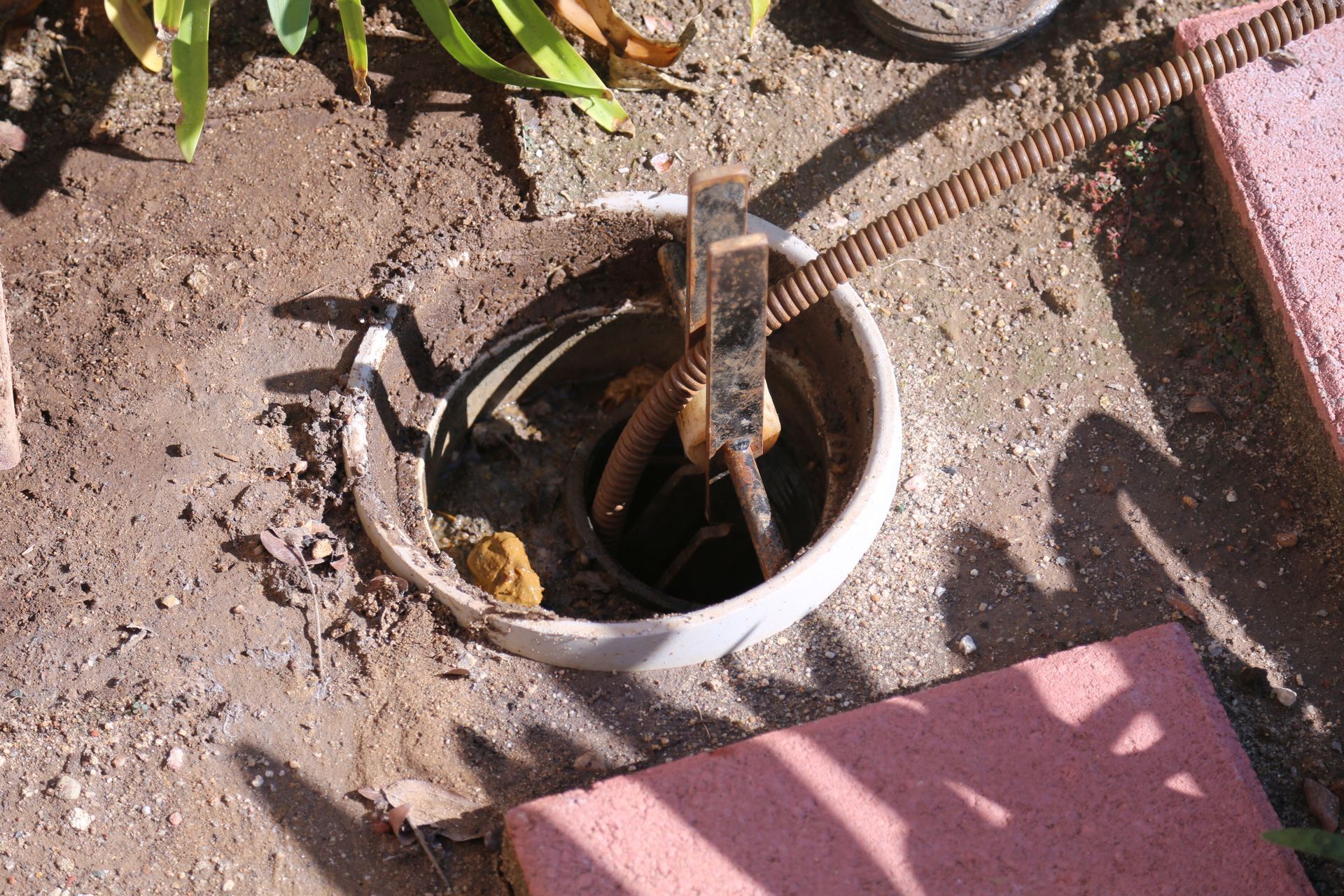
Plumbers rely on specialized diagnostic equipment to locate recurring obstructions. High-definition inline cameras traverse the interior of your lines, transmitting real-time footage of roots, crushed sections, or heavy grease buildup. Once the blockage is mapped, technicians use commercial power augers or hydro-jetting equipment to clear the line cleanly without damaging the surrounding pipe walls.
Serious blockages give clear warning signs long before total failure occurs. Frequent gurgling noises from toilets when a sink drains, water backing up into showers during laundry cycles, and recurring foul odors all point to a severely restricted line. Recognizing these indicators early prevents total system shutdowns and mitigates wastewater damage inside the residence.
4. Backed-Up Drains
A sewer backup is one of the most severe plumbing emergencies a homeowner can face. It occurs when wastewater cannot flow away from the property, reversing direction and spilling contaminated sewage out of low-lying drains. This water carries hazardous pathogens, bacteria, and viruses that pollute your living environment, destroy building materials, and demand immediate hazard mitigation.
Drain backups usually stem from heavy mainline clogs, sudden pipe collapses, or severe tree root intrusion. Tree roots naturally seek out moisture, entering tiny cracks in underground pipes and expanding into thick webs that trap all passing solid waste. Additionally, heavy municipal rainfall can overwhelm public sewer mains, forcing excess water back toward residential connections.
Preventing backups relies on proactive maintenance and smart water usage habits. Routine professional hydro-jetting keeps pipe walls free from grease and root hair buildup. Refraining from flushing wipes, paper towels, and feminine hygiene products keeps lines clear. For homes prone to municipal surcharges, installing a backwater valve creates a one-way barrier that prevents rising city sewage from entering your home.
5. Lush Patches in Lawn
Unusually vibrant, fast-growing patches of grass on your lawn often indicate an underground sewage leak. Wastewater acts as a potent fertilizer, supplying surrounding soil with nitrogen, phosphorus, and moisture. If a specific area of your yard remains bright green and lush during hot weather while the rest of the lawn wilts, a broken pipe underneath is almost certainly feeding the soil.
While sewage provides temporary nutrients to surface plants, continuous exposure to raw wastewater eventually destroys lawn health. Excessive moisture saturates the soil, displacing air and suffocating grass root structures. Over time, the ground above the leak softens, creating soggy, foul-smelling patches that sink under foot traffic and attract pests.
Investigating lawn anomalies requires looking for soft soil, localized sinkholes, and persistent sewage smells. Plumbers map these leaks using non-invasive diagnostic tools, such as ground microphones and pipe-locating transmitters, pinpointing the leak location without tearing up your entire yard. Early detection limits the scope of excavation needed to reach the pipe.
Untreated lawn leaks carry serious environmental and structural risks. Escaping sewage saturates the surrounding subsoil, leading to sinkholes that compromise driveways, walkways, and patio foundations. Furthermore, raw sewage can seep into local groundwater supplies or storm drains, leading to environmental contamination and potential municipal fines for unaddressed utility leaks.
Recognizing the signs of sewer line problems is essential for maintaining the safety, health, and functionality of your home. Acting quickly at the first sign of slow drains, foul odors, or lawn sinkholes prevents health risks, severe structural damage, and costly emergency repairs. Ongoing inspections and proactive plumbing care preserve your system's efficiency and support long-term property values. When you notice persistent drainage issues, contact R & R Excavating to secure reliable inspection and permanent repair services for your home.