November 12, 2026
Underground pipes play an important role in moving water and other materials throughout residential and commercial properties. When a pipe becomes damaged or develops a leak, repairs may require access below the ground. Trenching provides a way to reach the affected area, but the process involves careful planning, excavation, and attention to site conditions. This article explains how an excavating service can support pipe repairs that require a trench and why professional attention matters throughout the process.
Assessing Site Conditions
Every excavation site has different conditions that can influence the repair process. Soil type, ground stability, moisture levels, and the location of nearby structures can all affect how a trench is created. Understanding these conditions helps professionals determine what equipment and precautions may be needed. The presence of underground utilities is another important consideration. Water lines, electrical systems, communication cables, and other buried features may be located near the damaged pipe. Identifying these utilities before excavation can help reduce the risk of accidental damage and interruptions to other services. Access to the worksite also matters. Narrow spaces, sloped ground, and nearby buildings can limit where equipment can operate. Professionals need to consider these factors when planning the trench and determining how soil will be removed. An excavating service can help evaluate the available space and identify conditions that may affect the work.
Preparing the Work Area
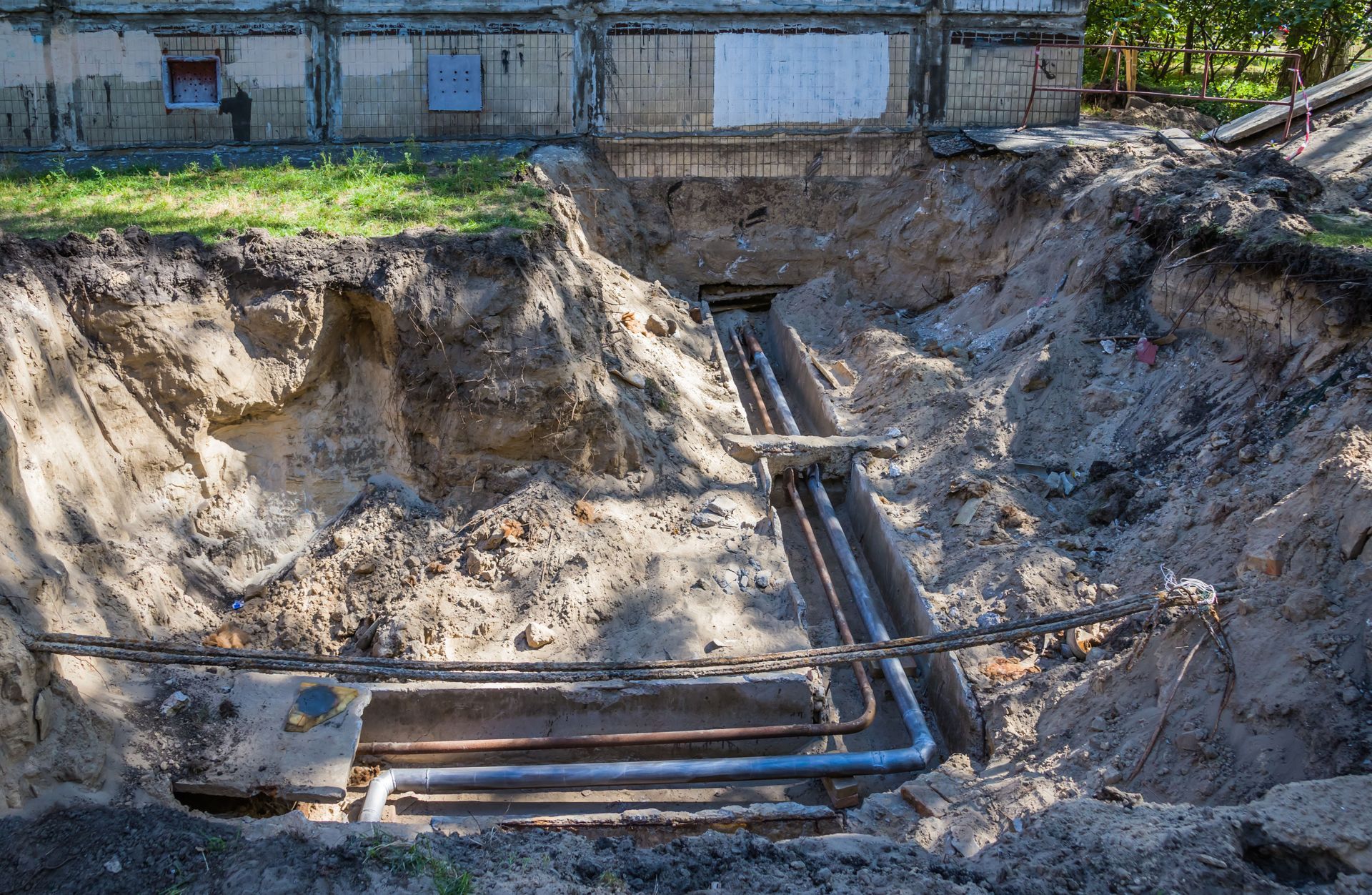
Preparation helps create a more organized excavation process. Before digging begins, professionals may review the planned trench location, identify nearby utilities, and determine where equipment can safely operate. They also need to consider how removed soil will be managed and where materials can be placed without creating additional hazards. The size and layout of the trench depend on the pipe's location and the type of repair required. Workers need enough room to reach the damaged section and allow the necessary repair work to take place. The trench must also account for soil conditions and the depth of the underground line. Safety planning is a major part of this preparation. According to OSHA, trenches that are five feet deep or greater require a protective system unless the excavation is made entirely in stable rock. This requirement highlights the importance of evaluating trench conditions before and during excavation. Protective measures help reduce the risk of soil movement and other hazards that can affect workers.
Managing the Excavation Process
Once the work area is prepared, excavation can begin. Professionals remove soil in a controlled manner to reach the underground pipe while considering the surrounding ground and nearby structures. The process may require different equipment depending on the trench depth, soil conditions, and amount of available space. Careful excavation is important because underground pipes can be close to other utilities or structures. Removing too much soil or disturbing the surrounding area unnecessarily may create additional problems. Professionals need to monitor the excavation as it progresses and adjust their approach when site conditions change. A professional excavating service can provide the equipment and labor needed to create access to the damaged pipe. Professionals also manage the removed soil and maintain awareness of the trench's condition. These steps help keep the work area organized while providing access for the repair process.
Protecting Workers and Surrounding Areas
Trenching involves hazards that require ongoing attention. Soil can shift or collapse, particularly when ground conditions are unstable or moisture levels change. Water accumulation, nearby traffic, and heavy equipment can also affect the safety of an excavation site. Protective systems and proper work practices help address these risks. The appropriate precautions depend on trench depth, soil conditions, and other site factors. Professionals must also pay attention to changes that occur during excavation, since weather and ground conditions can affect trench stability. Protecting the surrounding property is another important part of the process. Excavation can disturb landscaping, walkways, and other nearby features. Planning equipment movement and soil placement can help limit unnecessary disruption. A qualified excavating service can account for these concerns while creating access to the pipe.
Completing the Pipe Repair
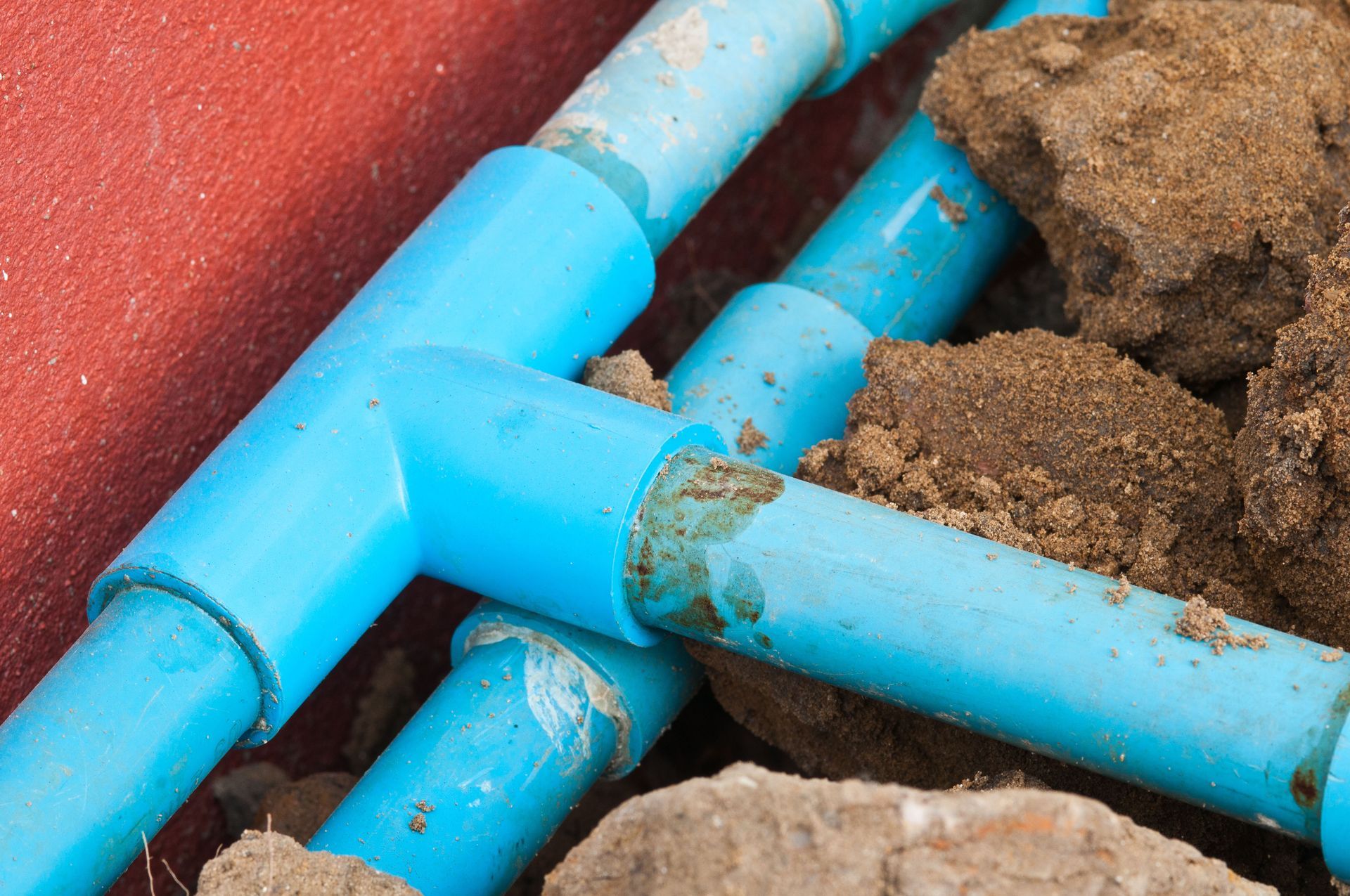
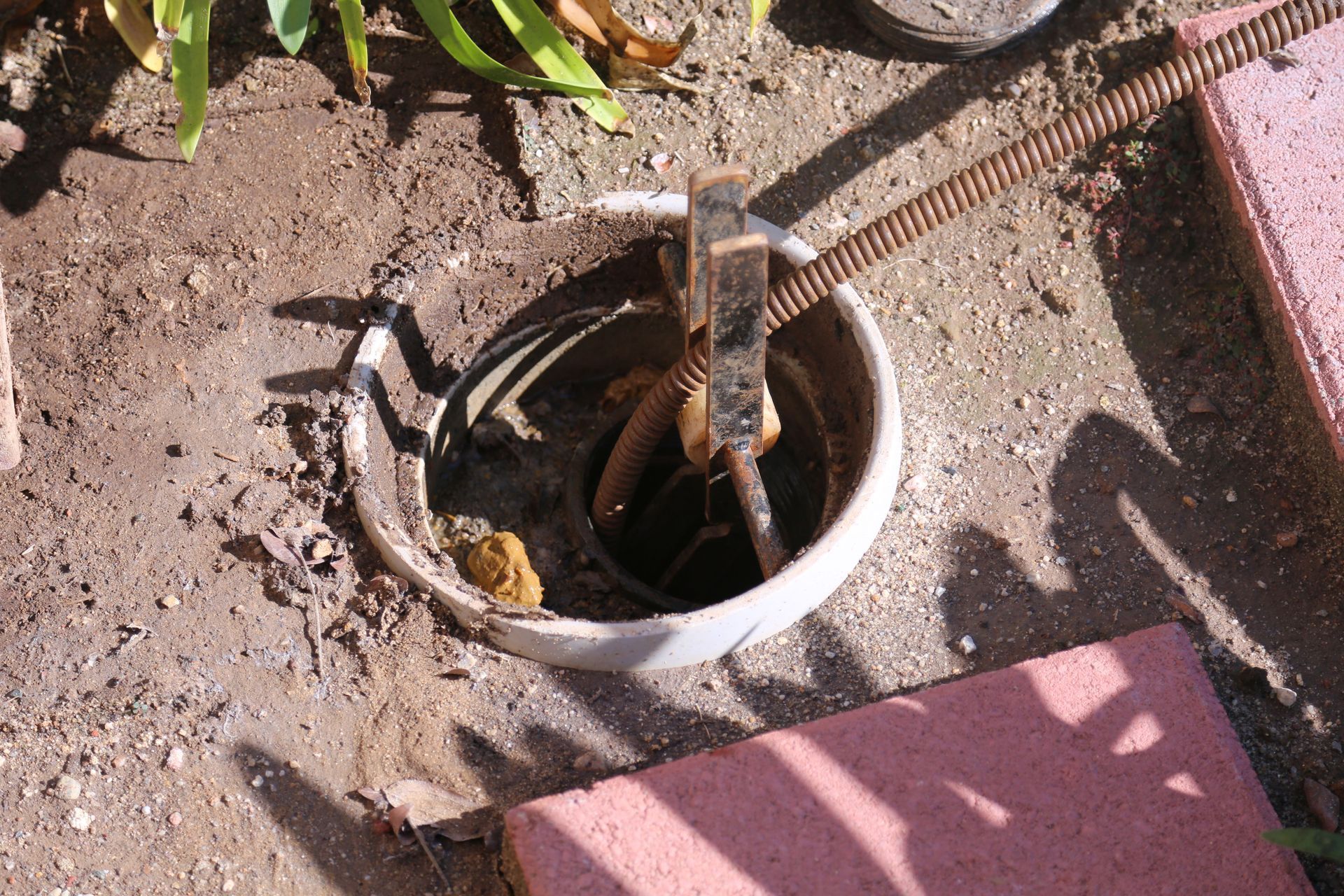
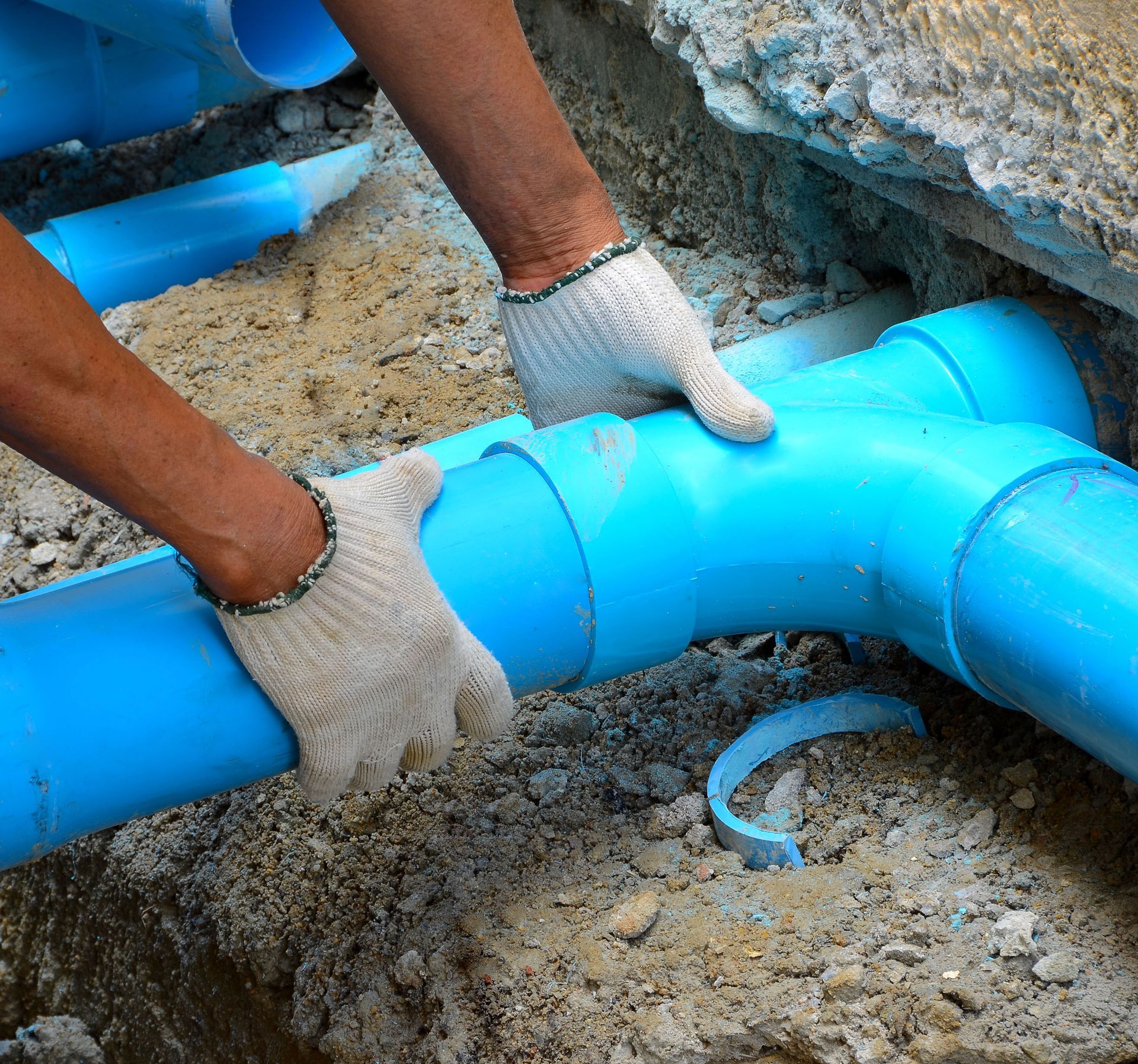
After the damaged pipe becomes accessible, the repair work can move forward. The exact process depends on the location and nature of the problem. Some pipes may have a small damaged section, while others may require more extensive attention. The repair team must evaluate the condition of the pipe and determine what work is appropriate. The condition of the surrounding area can also influence the repair. Soil movement, moisture, and other factors may have contributed to the original problem. Understanding these conditions can help professionals address the damaged section and consider whether other concerns need attention. Communication between excavation and repair professionals helps keep the work coordinated. The trench must provide enough access for the necessary work while remaining safe throughout the process. Once the repair is complete, the pipe may need to be checked before the trench is closed. This helps confirm that the affected section is ready for the next stage.
Restoring the Excavated Area
Closing a trench involves more than placing soil back into the opening. The area needs to be filled and managed in a way that supports ground stability. Depending on the site, this may involve replacing soil in layers and compacting it to reduce the likelihood of settling. Proper backfilling is important because loose or uneven soil can create problems later. The ground may sink over time, affecting nearby surfaces or creating low areas where water can collect. Professionals consider the soil conditions and the needs of the property when restoring the excavated area. The final appearance of the site can also depend on what was disturbed during the work. Grass, landscaping, walkways, and other surfaces may need attention after the trench is closed. An excavating service can help manage the backfilling process and return the work area to a more stable condition.
Maintaining Awareness After Repairs
Once pipe repairs and excavation are complete, continued attention can help property owners recognize future concerns. Changes in ground level, unusual wet areas, or recurring drainage problems may indicate that something needs further evaluation. These signs do not always point to another pipe issue, but they can provide useful information about the condition of the property. Keeping records of completed repairs can also be helpful. Information about the location of the damaged pipe, the work performed, and the areas affected by excavation may support future maintenance. This can make it easier to understand the property's underground systems if another issue develops. Professional guidance can help clarify what to watch for after the work is finished. An excavating service can also help property owners understand the excavation and restoration process. Paying attention to the repaired area can support long-term property maintenance.
Pipe repairs that require trenching involve several steps, from evaluating site conditions to restoring the ground after the work is complete. Each stage requires attention to safety, access, soil conditions, and the surrounding property. Careful planning can help limit unnecessary disruption and support a more organized repair process. Working with qualified professionals can make it easier to manage the challenges of underground excavation. Their equipment, experience, and knowledge of site conditions can help provide safe access to damaged pipes and support proper site restoration. When an underground pipe needs attention, contact R & R Excavating to discuss how our excavating service can support your repair project.